Hello, hello. It’s been some time.
These missives are meant to be sporadic for a reason. I knew it would be a tall order for me to maintain even a monthly cadence. I didn’t expect, however, that it would take me so long to share updates on what I have been thinking about and plotting toward. In other words, thank you for checking in and for being patient.
As a reminder (with a slight tweak), each TATI letter will center on three reflections on my practice or works that have moved me and are guiding my practice. Tati means three in Pulaar, my alien mother tongue.
First, some updates:
I’m happy to share that I’m now ready to take orders for my limited edition zine “Aunque Estés Muerto, Aún Tienes Corazón”. This is a gift to readers TATI. If you’re interested, the Zines will be mailed in early September so please fill out this form with your preferred address. There are only 50 zines and they will be given on first come, first serve basis.
Movement wise, I’ll be in London on September 4th and 5th, then in Cairo during the month of October for a residency with ARD South. Any introductions or recommendations for people to connect with in either city is welcome.
Now, on to the three things on my mind:
1. “Et pourtant, moi je me souviens”, my new project. The garden project I have been nurturing was shortlisted for the Grand Prix Images Vevey 2025/2026 earlier this year. It did not win the prize but making it to the finalists has made me even more confident of moving further in this direction. “Et pourtant, moi je me souviens” (However, I do remember) addresses Guinea’s ongoing manipulation of memory. At its heart, the project envisions a garden—a place of beauty that invites visitors to enter, sit down, and remember. It asks: Do you remember those who have been taken from us? The project explores how Guineans, particularly in the context of historical erasure, would interact with a site dedicated to the memory of victims of Sékou Touré’s regime. It is still very much at the ideation stage, but I look forward to the forms it will take and the places it will lead me. Below are two early visual explorations:
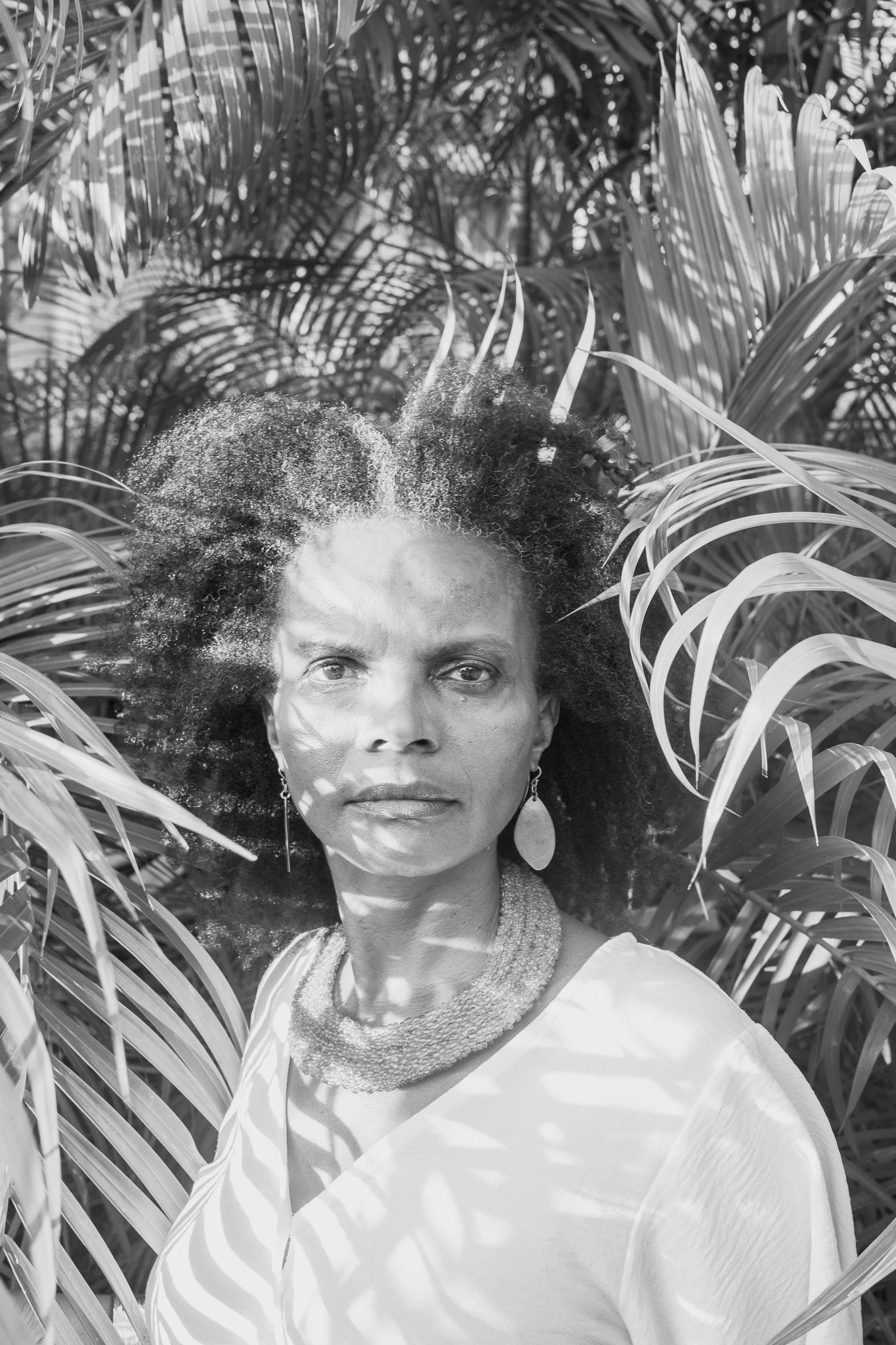
Mariam in Bloom, 2025.
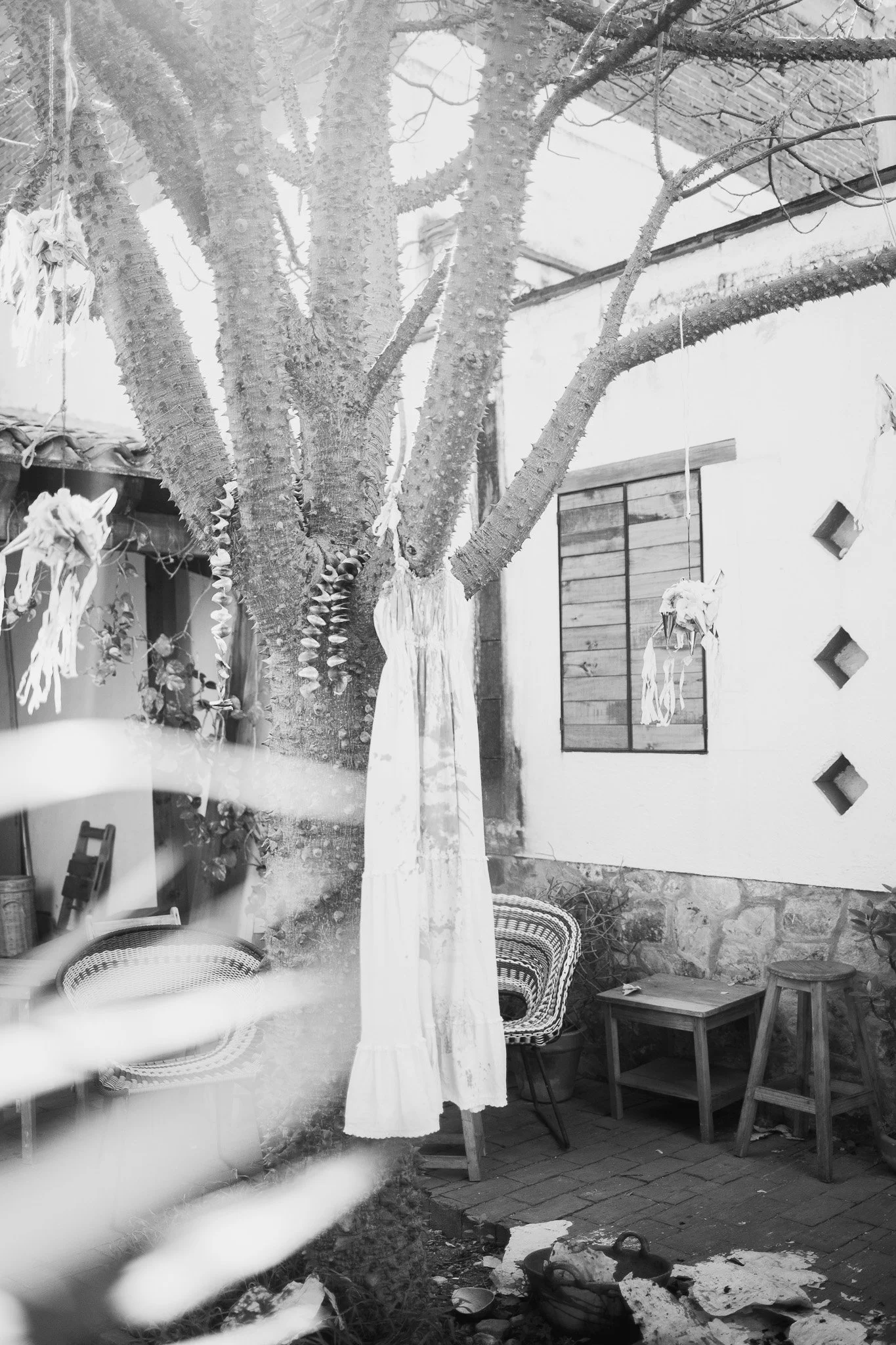
La Ropa de Velvet, 2025.
2. “Carmen” by Olivia Dean. This song by rising star Olivia Dean moved me to tears when I first heard it. It is a tribute to and celebration of her grandmother Carmen. As you guessed by now, these days I am constantly thinking about the different ways we remember and celebrate those who are dear to us. This song is a beautiful example of that. Olivia’s grandmother is part of the “Windrush generation” and moved from Guyana to the UK when she was only 18. The lyrics that undid me are: “You transplanted a family tree / And a part of it grew into me.” What an image.
You can listen to the song here.
3. “Saharienne Indigo” by Thierno Monénembo. Thierno Monénembo is easily the most known writer from Guinea, and quite prolific. When I learned that his most recent novel addressed the memory of the victims of Camp Boiro, Guinea’s infamous torture camp, I had to read it as part of my research. Sadly I did not love the book. I found most of the characters unreal. The way they behaved and spoke was unnatural and sometimes inexplicable to me. The book only got interesting 200 pages in, when the topic at the heart of the book is addressed more pointedly. That said, the quote below from the novel encapsulates quite well what animates my desire to work on “Et pourtant, moi je me souviens”.
“Le Camp B est notre interdit collectif. Impossible d’en parler, interdit d’oublier*.”
*Camp B is our collective taboo. We cannot speak of it, nor are we to forget it.
Until next time.
All my very best,
Hady